Where To Buy Stock For Car Dealerships
By Richard Withers »A successful car dealership manages to get the right stock at the right price. Matching vehicles to your local market and target customer base will ensure a fast turnover and healthy profits. To do this, UK car dealerships need to use a variety of sources, including used car auctions and online B2B platforms, and to get the right stock finance in place to make it fast and easy to get vehicles onto your forecourt.
Our guide looks at where you can buy stock for your car dealership and explains the advantages of each source, including what you need to consider when exploring these buying sources for vehicles and how to get financing in place to facilitate your used car purchases.
- Where Do Car Dealers Buy Vehicles?
- 1. Car Auctions
- Physical Car Auctions
- Online Car Auctions
- Pros of Buying Cars at Auctions
- Cons of Buying Cars at Car Auctions
- Police Auctions
- 2. Part Exchanges
- 3. Car Rental Agencies and Fleet Operators
- Pros of Buying Stock from Car Rental Agencies and Fleet Operators
- Cons of Buying Stock from Car Rental Agencies and Fleet Operators.
- 4: Private Purchases
- Wholesaler Dealer Auctions
- Trade Vendors
- Find The Best Purchasing Method For You
Where Do Car Dealers Buy Vehicles?
There are a variety of sources for car dealership stock, including:
- Vehicle Auctions – in-person and online, including specialist vehicle and car auctions
- Part-Exchanges
- Car Rental Agencies
- Private Sellers
- Wholesale Traders/Vendors
Let’s look at each of these options in more detail.
1. Car Auctions
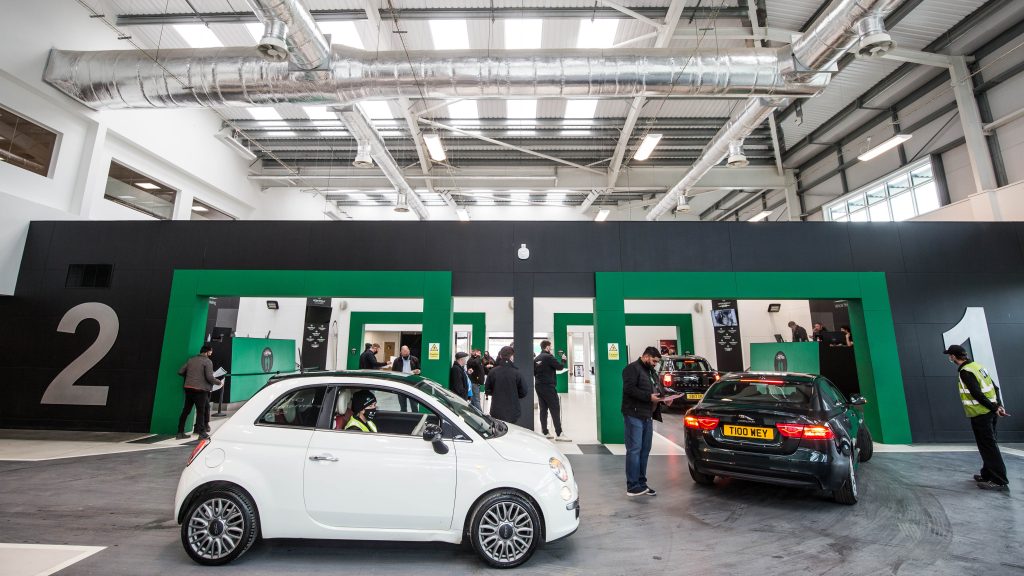
Auctions are the traditional way car dealers purchase vehicles at wholesale prices to update their inventory. Dealers bid on cars either in physical or online auctions for all types of vehicles. One of the advantages of working with LE Capital is that when your bid is successful, we generally pay the auction house direct, which is a massive boost to your cash flow!
 Auctions
Physical Car Auctions
Physical car auctions usually have an application fee of between £50-£100. Furthermore, the buyer has to pay the auction house an additional 5-10% of the price of the car purchased and this is called a “buyers fee”. The buyers fee will vary depending on the type of car and the auction house the vehicle is being purchased from. There may also be additional VAT, so it is good to make sure you are aware of this before placing a bid!
During the COVID-19 pandemic many mainstream auction houses went online. However, post pandemic, physical auctions have seen a resurgence in popularity. For example, Aston Barclay returned to doing most auctions in person, due to increasing buyer attendance, and now offer select online vehicle auctions. Similarly, G3 Remarketing offers simultaneous online and in-person bidding for all their vehicle auctions.
Find In-person Car Auctions to Attend
LE Capital is one of the UK’s leading stock funders and we have a comprehensive network of physical auction houses across the UK where we can facilitate payments directly. Below are some of the auction sites we work with:
North East: Manheim (Washington), Wilsons Auctions (Newcastle)
North West: Manheim (Manchester), Aston Barclay (Wakefield)
Yorkshire and The Humber: Manheim (Leeds), Motor Auction Group (Rotherham), G3 Remarketing (Castleford)
East Midlands: Manheim (Northampton), Manheim (Shepshed), Aston Barclay (Derby), Newark Motor Auctions (Nottingham)
West Midlands: Manheim (Birmingham), Wilsons Auctions (Telford), Aston Barclay (Prees Heath)
East of England: Manheim (Colchester), City Auction Group (Peterborough), Anglia Car Auctions (King’s Lynn)
South East: Shoreham Vehicle Auctions (Worthing), Aston Barclay (Chelmsford), Wilsons Auctions (Oxford)
South West: Manheim (Bristol), Manheim (Plymouth), Aston Barclay (Westbury), Wilsons Auctions (Maidstone)
Scotland: Manheim (Shotts), Wilsons Auctions (Glasgow), Central Car Auctions (Glasgow), Morris Leslie Vehicle Auctions (Perth)
Wales: Wilsons Auctions (Newport), Wilsons Auctions (Queensferry)
You can find a full list of car auctions locations around the country on our Auctions page.
Online Car Auctions
Online car auctions are usually cheaper than physical auctions in terms of the extra fees. Instead of a fee to enter each auction, online car buying sites typically have a one-time registration fee (£75-£150) or require a deposit that may be returned in case you do or don’t make a purchase. Make sure to carefully read the terms on each auction website to understand the conditions of your deposit.
Most mainstream auction houses operate an online auction model (and some, like Cazoo Wholesale, operate solely online). Online car auctions can be beneficial for dealers as you don’t have to travel to the auction house to bid, therefore avoiding travel time and costs if you don’t succeed in buying cars for your dealership. Additionally, buyer fees tend to be cheaper for online car auctions.
However, there are also good reasons to attend vehicle auctions in person. For example, you are able to see and inspect the stock prior to purchase at physical auctions and you may be able to gain good market intel and feedback from networking with your industry peers.
LE Capital works with online auctions such as Cazoo Wholesale and Auction4Cars, as well as many of the auction houses listed above which offer both physical and online auctions.
Pros of Buying Cars at Auctions
Competitive Prices (& Competitive Bidding)
Vehicle auctions are a favourite amongst car dealerships because, despite the fees, they are usually the most cost-effective way of buying new stock. It is important, however, to be wary of getting carried away in the bidding process. While prices for cars at auction can be competitive, bidding can be too. This can result in overpaying for the car against the market price, reducing your profit margin when selling on to customers.
Wide Selections Of Cars
When it comes to availability of the widest range of cars to choose from, auctions are likely to be your best bet. Vehicle auctions tend to offer a wide range of cars, as well as having specific auctions for motorcycles, vans, and other types of vehicles. Because private sellers can sell at auctions, alongside leasing companies, new car dealers and more, you can typically find cars that the general public rarely get the chance to purchase, such as vintage, classic or discontinued vehicles.
Turnover Times are Faster
If you need to replenish your car dealerships stock quickly, especially to meet a surge in customer demand, the logistical support provided by auction houses should mean quicker turnaround times compared to other purchase options. The ability to purchase popular stock and get it on the market again before others can improve your profit margin while minimising overall costs.
Detailed Vehicle Histories & Comprehensive Condition Reports
Reputable auction houses will provide an extremely detailed history and condition report in respect of their vehicles. While you can never be completely certain of a car’s quality at auction, for example if there are hidden faults, you will usually have a more comprehensive understanding in comparison to other stocking sources.
Cons of Buying Cars at Car Auctions
Cars Can’t Be Test Driven
Vehicle auctions are typically very well-regulated so they work hard to ensure buyers are made aware of any serious faults beforehand. However, it’s always good practice to make sure you come to the auction knowing the types of cars you are looking for and with sufficient research to also know how certain makes and models have inherent faults and how they perform over time.
Understanding The Seller Behind The Car
Sometimes, car dealers sell a car at an auction because they cannot sell it at their own dealership. However, this could be because the type of car is no longer suited to their specific customer base rather than it being an unfavourable make or model. It is also important to understand that not all sellers at auctions are car dealers. The auction house may be the chosen method of selling because the sellers do not have a dealership of their own. Some auctions will provide details of the car’s source which can give you a better understanding of the car’s condition.
Police Auctions
Second-hand car dealerships can sometimes find good deals on specific vehicles at Police Auctions. A number of auction houses, including Wilson’s Auctions and John Pye Auctions, offer special auctions for second-hand vehicles, bikes and other items. These vehicles aren’t necessarily branded police cars, they could be undercover cars, seized or abandoned vehicles.
The advantage of police car auctions is that you can often find high-value vehicles that have been well maintained – particularly ex-police vehicles. However, these cars may have spent a long time idling or could have been badly driven. Abandoned and seized cars can vary widely in terms of condition. While there are certainly good bargains to be found, you’ll often have to deal with issues like lack of keys or missing service history.
A major stipulation when considering police auctions for used cars is that you are usually buying “as seen” and won’t be able to test drive the vehicle. A level of risk is built in as there are often missing details.
2. Part Exchanges
You may choose to accept part exchanges from customers. This means they can exchange their current make or model as a part-payment against the cost of a replacement vehicle. Part exchanges are common for drivers looking to update their existing model with the newest or latest version.
For used car dealerships, a close inspection is recommended and any mechanical faults, dents or scratches, should be taken into consideration as an additional cost when negotiating the part exchange.Ultimately, you will need to decide if the part exchange with the customer is for your benefit or theirs.
It’s worth keeping in mind that car dealers don’t need to focus entirely on the profit at this stage of the part exchange process. A valued part exchange customer who will return again is a valuable customer to have. This should be taken into account when considering the costs of remarketing the vehicle, including your time and effort, so you don’t lose out not just from this part exchange sale but from future sales too.
 Part Exchanges
Pros of Part Exchanges
Loyal customers may continuously upgrade their cars with you
You can make a profit from customers who otherwise would not be able to afford new cars without returning their previous ones. If you are seen to be fair with the part exchange allowance and provide a good customer experience there is an increased likelihood they will tell their friends and family, resulting in a higher probability that this could become a consistent form of income stream and a boost to your dealership’s reputation.
You already have knowledge of the car to resell
Part exchanges can be especially beneficial if the car was originally bought from you because you will already have knowledge of the car’s history and condition. You will therefore not need to do the additional research that goes into buying and remarketing a never seen before car.
No middle-man fees
Because they are your customer, there will be no need for a middleman to assist with the sale so there are no auction fees or other broker fees.
Cons of Part Exchanges
The effort of selling the car they return
It is simpler to sell a car to someone outright with no part exchange rather than having to then sell the car on as part of the deal. This is due to the cost of remarketing which will have a negative impact on the margin earnt, along with the time and effort required when applying the mark up!
Disagreements with the customer
The deal may not feel fair to the customer due to the additional costs you have to account for so, to avoid the customer feeling like they have been taken advantage of, it’s good practice to offer them a transparent receipt of the mark-up costs to show where the money is going. If you can, provide evidence of the costs involved in remarketing, storage, administration, selling time and depreciation.
3. Car Rental Agencies and Fleet Operators
Fleet operators and car rental companies can be a useful source of stock because these types of users tend to renew their fleets regularly and have a consistent stream of makes and models with a good maintenance and scrutiny programme in place.
 Car Rental Agencies and Fleet Operators
Pros of Buying Stock from Car Rental Agencies and Fleet Operators
A large amount of stock
Usually, car rental and fleet operators have a large amount of stock so you should have a good range of makes and models to choose from. It is also beneficial if you are looking to buy multiple cars at once because the opportunity to negotiate a discount based on bulk purchases can be seen as a win-win for both the seller and buyer!
Well-maintained stock
Due to the nature of the business, cars from rental agencies and fleet operators will have been well maintained throughout their working life with the company.
Cons of Buying Stock from Car Rental Agencies and Fleet Operators.
Vehicles may have been heavily used
Purchasing vehicles from rental agencies will usually mean they are likely to have been used by a larger number of different drivers, have high mileage compared to the year of manufacture and, in some cases, have a higher number of users with varying driving styles, which may mean the vehicles have had more wear and tear than from other comparable stocking sources.
There may be minimal warranty
A warranty is necessary to negate the risks of purchasing used cars with pre-existing faults. Car rental agencies and fleet operators treat the sale of a vehicle to a dealer as a trade-to-trade purchase and so generally don’t provide a warranty or, if they do, it will be limited. It is therefore important that you look into their warranty policy closely before you buy from them.
You may be presented with older models
Older models are fine if they are what you are looking to sell. As mentioned earlier, try to find out from the company just how much use these cars have had.
4: Private Purchases
You can find private sellers via newspaper and online ads, from online marketplaces such as Auto Trader, Gumtree, and Motors.co.uk or on social media market places such as Facebook Marketplace. You can also meet some private sellers at car auctions, which are a good place to secure and nurture personal relationships.
Motorway, Cinch and Carwow have been touted by many as the next big motor trade giants and the trade’s best kept secrets in finding stock and cutting out the middleman, which by the very nature of their business model, has opened up the private sellers’ market; offering a new way for dealerships to find and buy privately owned used vehicles via its strong nationwide network. All cars available through private purchases using this source of stock are direct from private owners, exclusively available to bid on and buy in daily online sales.
 Private Purchases
Pros of Purchasing Privately
Make faster and more flexible deals
Purchasing direct from private sellers can save time with remotely managed transactions. It may also prove easier to build a relationship with someone who is not part of a large bureaucratic company. Having a relationship with a private seller could benefit you in the mid-to-long term, such as future dealer exchanges or discounts on their stock.
Find niche and high-spec Models
You may need to go private to find the car you are looking for as the private seller may be the only person with your desired stock. Private stock tends to be higher spec and much better looked after than other stock. On Motorway, Cinch and Carwow, dealerships can set up their preferences through filters and receive alerts the moment suitable stock is listed online. Each vehicle has a full profile with photos, specs, condition, and service history.
Cons of Purchasing Privately
More risk involved
When purchasing directly from a private seller, check the warranty they provide and their previous sales experience and reviews to get an idea of how much you can trust the purchase. There may be some buyer protection if you buy on a particular marketplace such as Gumtree or on social media platforms.
When you, or your collection agent, arrives at the collection point, it may be that the vehicle is not as described in the advert and has hidden faults. It is always good practice to either pay the extra curb side examination cost provided by Motorway or provide your collection employee/agent with a detailed vehicle scrutiny sheet which can also act as a tool for negotiating a reduction in the cost of the vehicle.
Wholesaler Dealer Auctions
Second-hand car dealerships often use wholesale auctions to stock their forecourts. Often these wholesalers are selling at specialised auctions, such as manufacturer auctions. Some of these manufacturer auctions are only open to franchised dealers for that make, while others are intended for all used car dealers. You may also need to prove you are operating as a business since these auctions aren’t open to the general public.
Benefits of Buying from Wholesale Dealer Auctions
Buying from wholesalers can be a benefit for used car dealerships as they offer lower prices per vehicle, thereby increasing profit margin. You can also quickly fill your lot with a variety of vehicles as needed.
Drawbacks to Buying Cars at Wholesale Dealer Auctions
The only drawback of wholesale auctions for second-hand car dealerships is the capital required for this kind of bulk stock buying. You will need to have adequate funds or secure stock finance in place.
Trade Vendors
Trade vendors (motor trade businesses rather than private sellers) can be a valuable source of stock for used car dealerships. Trade vendors are often other dealers, fleet operators or leasing companies and they usually sell at auctions (as described above), via direct trade sales (dealer to dealer), or through an online platform. Trade vendors may want to sell a vehicle due to its age, or to refresh their inventory, or to free up funds for new stock acquisition.
Pros of Buying Cars from Trade Vendors
Trade vendors can be a strong stock source for dealerships because you can often secure vehicles quickly, with clear pricing that is fixed or offered via “buy now” options. This route can also be more predictable, as franchise groups and larger operators often sell on stock in regular cycles. Buying tends to be straightforward too, since trade vendors are familiar with the process and paperwork.
Risks of Buying Cars from Trade Vendors
The risks are similar to purchasing at auctions. You may pick up stock that is harder to retail, such as unpopular colours, higher mileage vehicles, or models with running costs that put buyers off. Condition and history can also be an issue, including incomplete service records or problems that only show up after inspection, which can mean extra time and cost. Trade vendors generally expect you to know what you are buying, so careful checks and disciplined inspection are key. When handled properly, they can be a reliable channel for forecourt stock.
Find The Best Purchasing Method For You
In conclusion, there are a variety of ways to replenish your stock and they come with a mixture of pros and cons. To ensure your forecourts are stocked up, it’s more important than ever for dealerships to use a multi-channel strategy for stock sourcing. Once you have tried and evaluated different methods to replenish your stock, you can then decide where your money and time is best placed to grow your stock and maximise your return on stock investment which will lead to operating a successful dealership.
If you would like to speak to one of the team, please get in touch at [email protected] or on 0116 502 0116.